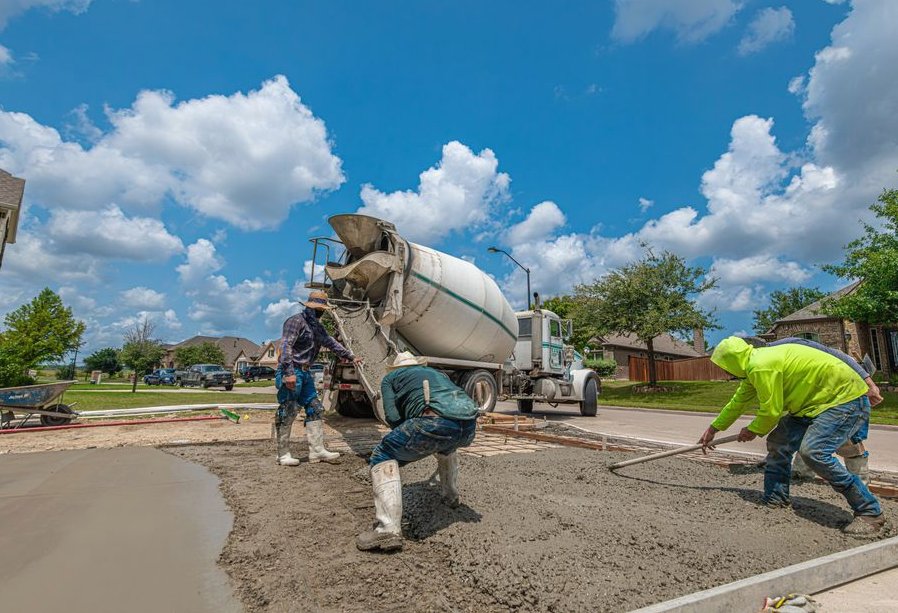
Signs it's time for a new drive
Most people call us after living with the problem for a couple of years. Cracks that run the full width of the slab and have started to open up are the usual first sign. Next come sections that have dropped or tilted so water runs toward the garage instead of away from it, and a surface that's flaking or crumbling at the top. If you're patching the same spots every spring, that's your answer too.
Gravel and old asphalt drives come to us for a different reason. They rut, they wash, and they never quite stay where you put them. A slab fixes that, but it costs more up front, so we'll walk through it with you before you decide.
A single hairline crack doesn't mean the whole drive has to go. If a repair makes more sense than a new pour, we'll say so, because pouring a new slab on a drive that only needs patching doesn't do you any favors.
What it costs and what moves the price
For a broom-finish concrete driveway, installed, our pricing runs $8 to $12 per square foot. As arithmetic, a 600 square foot drive would land between $4,800 and $7,200 at those rates. That's an illustration, not a quote.
Where you fall in the range depends on what we find on site. Size is the biggest factor. Shape is next, since a straight, simple drive goes faster than one with curves and tight corners to form. Thickness matters too, because a thicker slab takes more concrete. If there's an old slab or surface to remove first, or the ground needs work before we form up, that adds labor. Access counts as well, meaning how easily the concrete can get to where it needs to go.
We list these items in the written quote so you can see what's included.
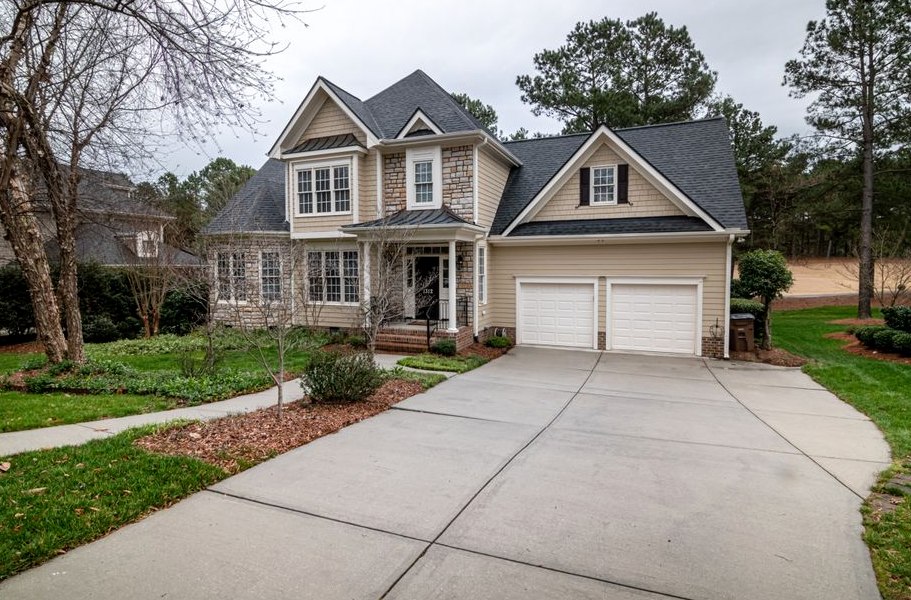
How the job goes, start to finish
We lay out the drive and set wood or metal forms to hold the edges and the shape. Inside the forms goes welded-wire mesh. Then the concrete is placed evenly into the forms and screeded level to the thickness the drive calls for, with a straight edge pulled across the tops of the forms.
After screeding we bull-float the surface. Then comes the part that takes patience. Fresh concrete pushes water to the top, called bleed water, and we don't put the broom on until it has dissipated. The broom texture is the last step on the surface.
The forms come off once the slab has set up. After that it needs time before it takes traffic, and we'll tell you when you can walk on it and when the car can go back in.
How long it takes
We can't give one number for every drive, because the schedule depends on the size, whether there's demolition first, and the weather on the day. Forming and pouring are usually the shorter part. The wait for the slab to set and cure before you drive on it is where people get impatient.
Cedar Rapids winters are cold and fairly dry and summers are warm and humid, so we plan around the season. In a hot, humid stretch the timing of the broom pass shifts from day to day, which is why we go by the bleed water and not the clock. The schedule in your quote is a plan, and we'll tell you straight if the weather asks us to move it.
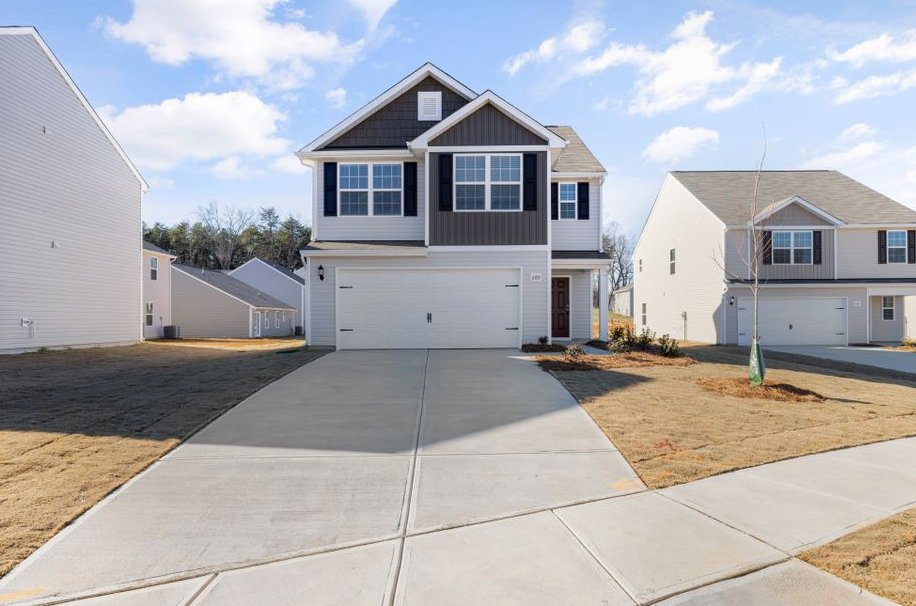
Pricing a walk or patio with the drive
If you're also thinking about a walk, patio or other flatwork, it often makes sense to price it together. It's the same crew, the same forms and the same finishing, and it saves you a second mobilization. We'll look at the whole picture on the walkthrough and write up exactly what's included.
Start to Finish
Concretely, the work goes like this:
- Tool or saw-cut control joints to guide shrinkage cracking, and install isolation joints where the driveway meets existing concrete.
- Begin curing after finishing using a curing compound, wet coverings, plastic sheeting, or water; keep vehicles off for at least seven days.
What It Typically Costs
The figures here give you a sense of scale, and yours gets its own written price once we've seen it.
$2700–$14500