When resurfacing works and when it doesn't
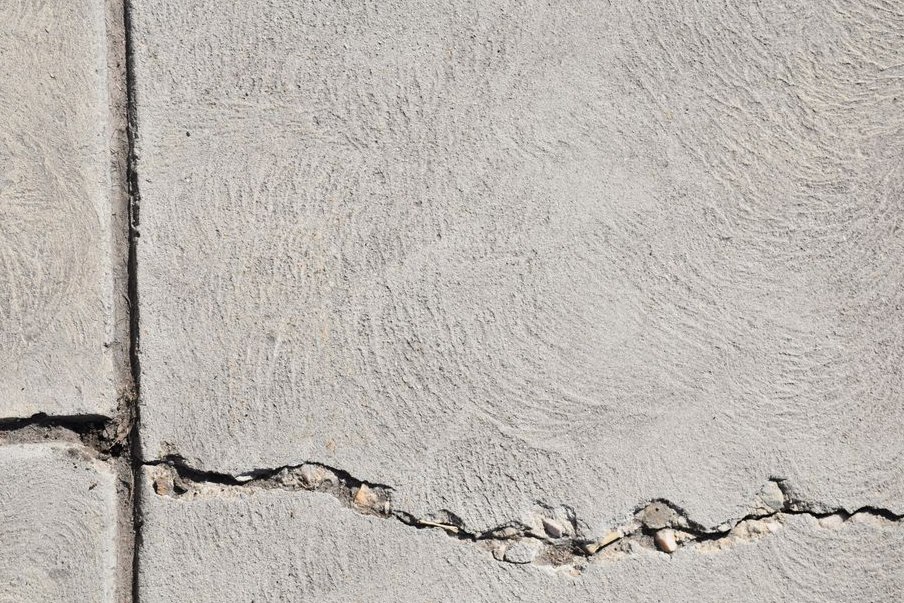
Resurfacing fits surface problems: pitting, shallow scaling where the top layer has worn away, and oil or de-icer stains that cleaning will not lift. Hairline cracks that have not raised or separated can usually be dealt with as part of the prep. It does not fit a slab that has moved. A section that has dropped below its neighbors, or slab pieces sitting at different heights, means the base has shifted, and a new surface laid over it will not hold. Lay a level across the suspect area. If the concrete is still in one plane, resurfacing can work. If it isn't, you are looking at a repair or replacement first.
What we look at before quoting
We look at the driveway in person: whether the slab is stable, how water runs off it and where it goes, and where the concrete meets landscaping or a garage floor. We measure the square footage and judge the surface, because heavy pitting or widespread cracking takes more prep and more compound than light wear. We also check how we will get mixing equipment to the work. On the first call we can talk through the usual $3 to $9 per square foot range, and the firm price comes after we have walked the driveway.
How the work is done and what we use
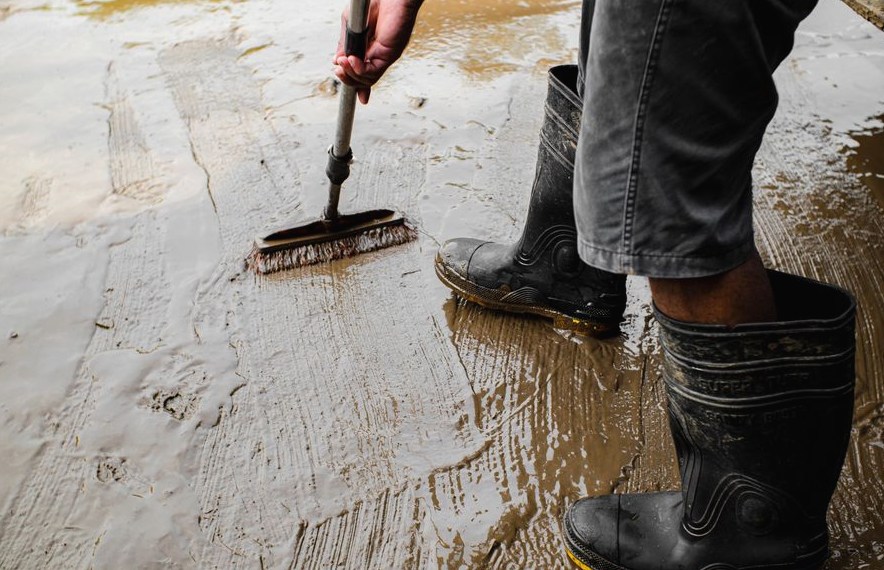
We divide the driveway into sections no larger than 144 square feet and work one section at a time. Control and expansion joints are kept clear of resurfacing compound so the slab can still move where it was designed to. Before applying anything, we wet the concrete with a hose and push standing water off with a long-handled industrial squeegee. The compound is mixed in 5-gallon buckets as we move across each section, so each batch is used fresh instead of sitting.
What it costs and what drives the price
Concrete driveway resurfacing typically runs $3 to $9 per square foot. Light wear and minor pitting keep a job near the $3 end. Heavy scaling, widespread cracking, or sections that need extra prep push toward the high end, because they take more material and more labor to get an even surface. Deep cracks are handled separately before any compound goes down, and we list that on the quote so you can see it. Your total is the square footage multiplied by a rate that climbs as the surface gets rougher.
Scheduling, weather and city paperwork
Size and surface condition decide how long a driveway takes, and we give a firmer schedule once we have measured it. Weather is the main variable. Rain in Cedar Rapids is concentrated from April through August, and June is the wettest month at roughly 5.7 inches. Because we wet the slab and squeegee off standing water before we start, we do not want rain adding more, so we watch the forecast and book the work around dry days. January is the driest month, but spring through summer is when most driveway work gets done, so plan ahead. Any part of the driveway in the city right-of-way has to meet Cedar Rapids standards, and we file the city paperwork for that work.
Start to Finish
In detail, it looks like this:
- Pour the mixture onto the concrete and use a long-handled squeegee to spread it, scrubbing the material into the surface.
- For a slip-resistant finish, broom the surface within five minutes, using full strokes across the work section.
Pricing Ranges
These numbers are a reasonable place to start, and the final price goes in writing before anything starts.
$3–$5 per sq ft
$1000–$5000